Endangered sea turtles nest near pier in historic first
Two olive ridleys nested near the Huntington Beach Pier and Seal Beach, the first recorded natural sea turtle nesting on the U.S. West Coast.
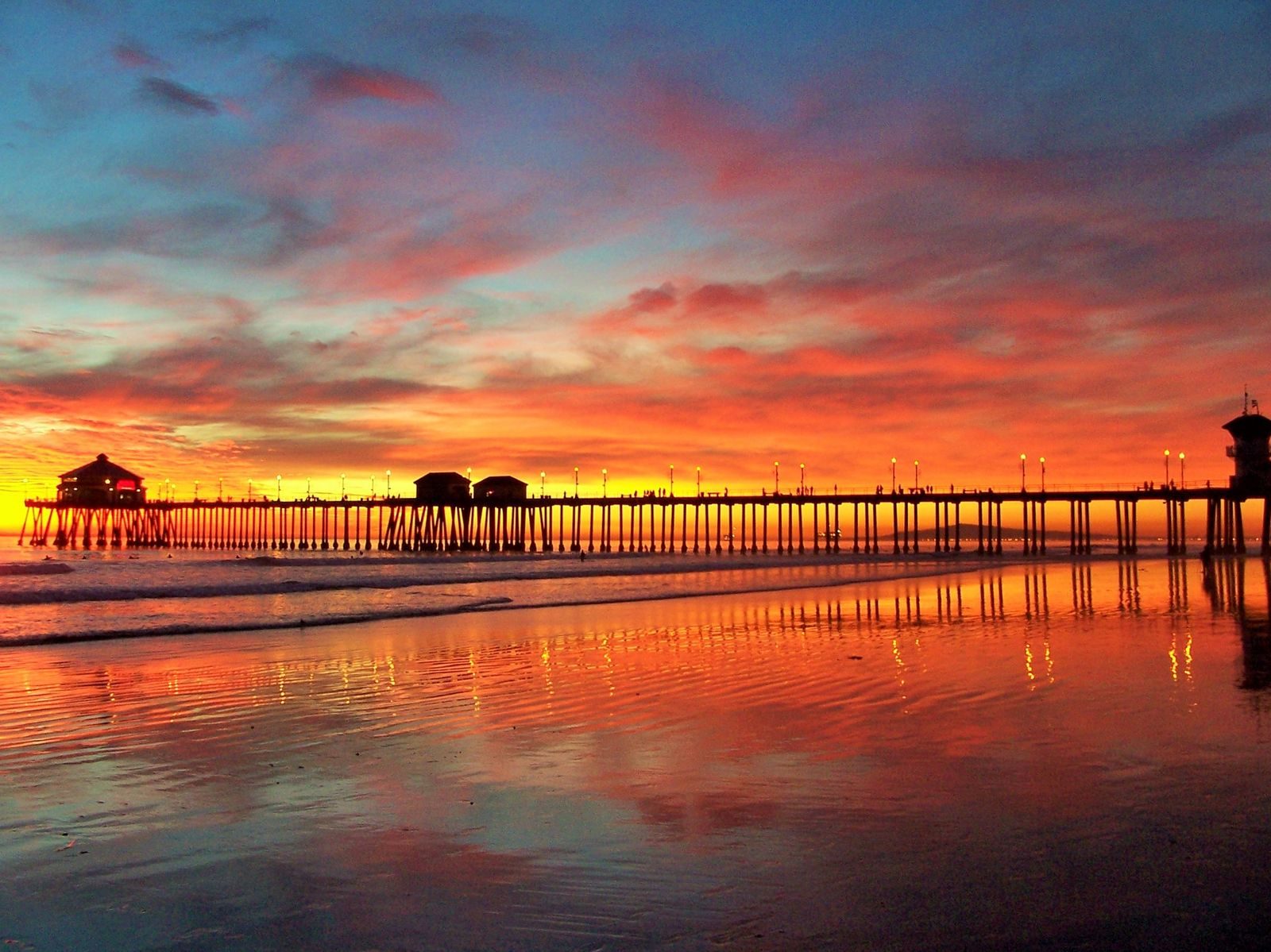
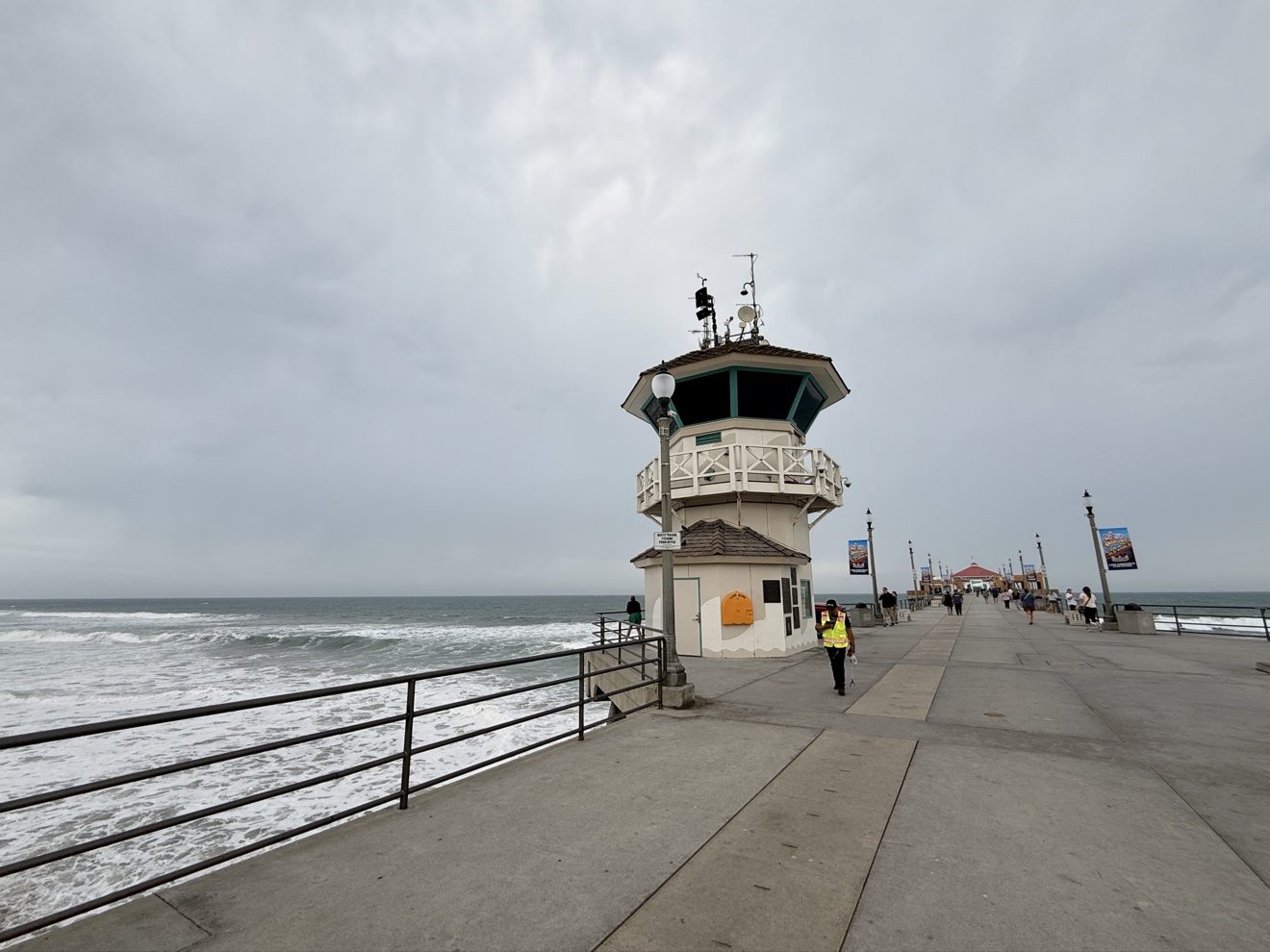
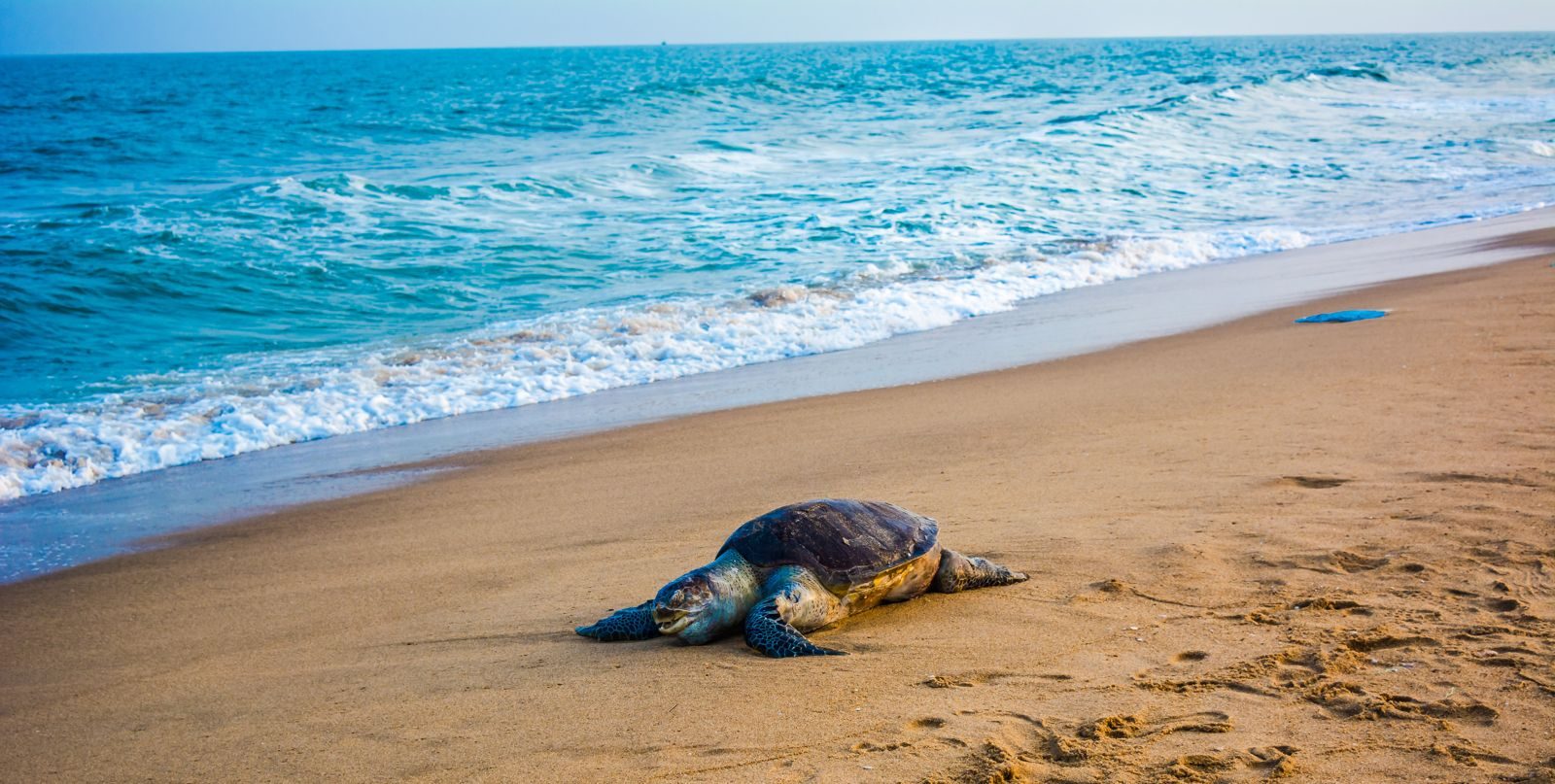
Two endangered olive ridley sea turtles nested on Orange County beaches this month, marking what federal officials call the first-ever recorded natural nesting by any sea turtle species on the U.S. West Coast. One turtle laid eggs near Seal Beach on Sept. 16, and three days later, on Sept. 19, a second turtle nested near the Huntington Beach Pier, about eight miles away.
The National Oceanic and Atmospheric Administration said the nesting female near Seal Beach was discovered about 3 p.m. by a beachgoer who alerted Huntington Beach lifeguards. The second turtle was observed around 7 p.m. near the pier. Experts initially thought a single turtle had created both nests, but analysis of the animals' body shapes and distinctive shell patterns confirmed two separate turtles were involved.
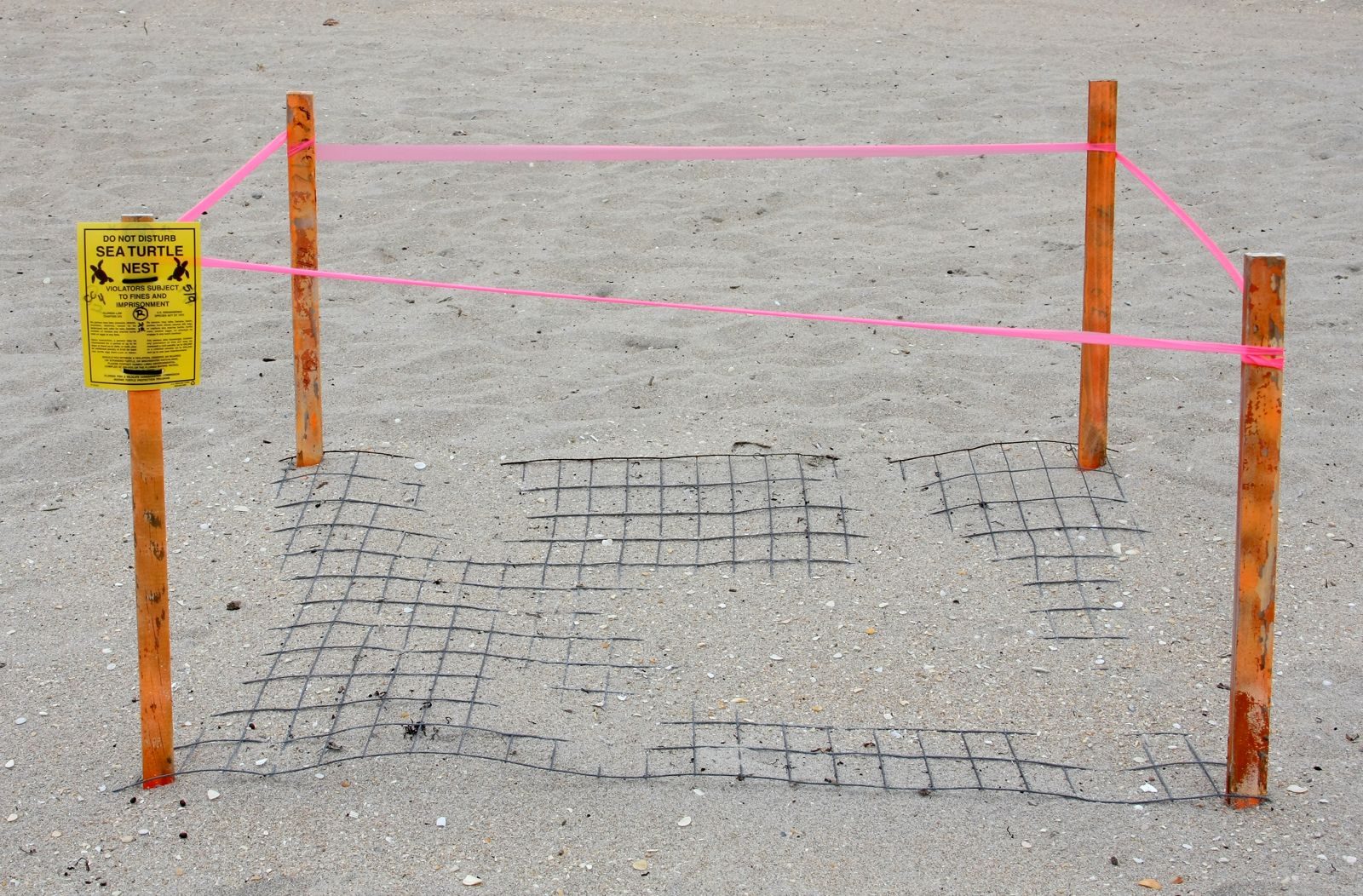
With high surf forecast from tropical storms off Mexico, a team of scientists from federal and state agencies collected the 100 to 200 eggs and transferred them to the Aquarium of the Pacific in Long Beach on Sept. 25. Aquarium staff will care for the eggs during incubation. If they hatch, the young turtles will be released on the beaches where the eggs were laid to make their journey across the sand to the ocean.
A large interagency team fenced and roped off both areas, posted interpretive signage and began round-the-clock monitoring. NOAA, the U.S. Fish and Wildlife Service, the California Department of Fish and Wildlife, the cities of Huntington Beach and Seal Beach and local partners worked together, with extra patrols and surveillance of the sites. Officials also are watching the coastline for signs that additional turtles may come ashore, since each olive ridley typically nests two or three times a season, about two weeks apart.
The nests have collided with preparations for the Pacific Airshow, scheduled for Oct. 2 through Oct. 4, during the heart of the incubation period. Nearly 1,400 people signed an online petition calling for the airshow to be canceled or postponed, citing crowds, noise and ground vibrations from high-performance military jets. Olive ridley eggs generally require 45 to 60 days to hatch, and one nest sits in a prime viewing area expected to draw heavy foot traffic.
Wildlife officials say the impact of low-frequency vibrations on reptile embryos buried in loose sand remains largely unstudied on the West Coast. Organizers and city officials are modifying the event's ground operations by moving some pedestrian routes, vendor booths and attractions farther from the protected areas. The flight schedule remains unchanged. The petition cannot by itself compel cancellation; any decision to cancel, relocate or postpone would require coordination among Huntington Beach and the federal and state agencies charged with protecting the endangered turtles.
Olive ridleys, the smallest of the sea turtles at up to 100 pounds, normally nest on tropical beaches in Mexico, Nicaragua, Costa Rica and Panama. Scientists are still examining why the turtles came so far north, considering unusually warm coastal water, El Nino conditions, recent hurricane activity and simple navigational error. Sea turtles are protected under the Endangered Species Act.
We correct errors promptly and note them here. Request a correction through our contact form.