A Sea Snake at Bolsa Chica Was Only the Eighth Documented in California, and Museums Ask Beachgoers to Watch for More
An adult male yellow-bellied sea snake came ashore at Bolsa Chica State Beach on Sunday morning, and the Natural History Museum of Los Angeles County is asking the public to search the wrack line for snakes and turtle nests from now through February.
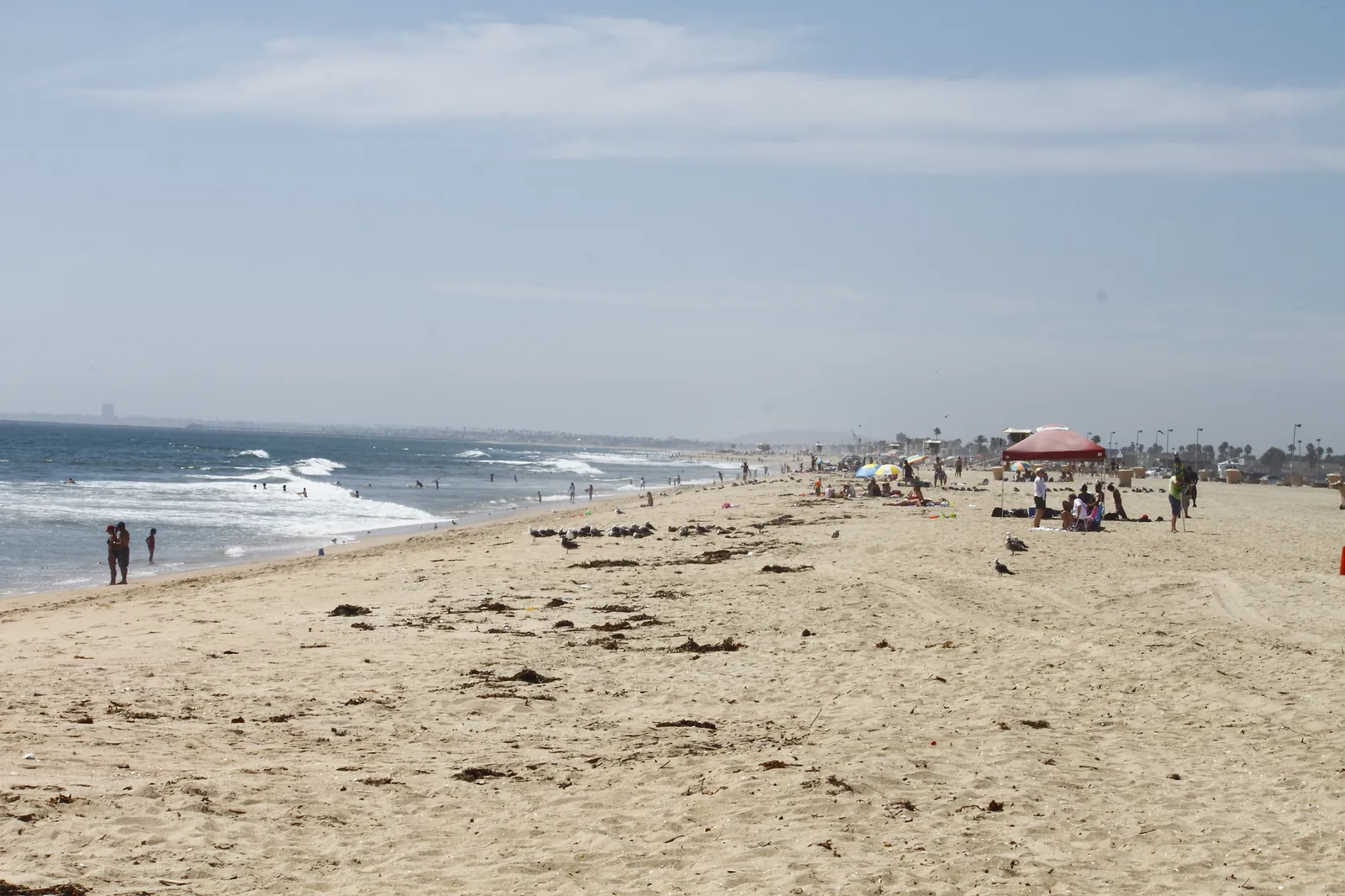
The snake that came ashore at Bolsa Chica State Beach last Sunday morning has a place in a very short record. Writing up the find, the Natural History Museum of Los Angeles County counts the adult male yellow-bellied sea snake as only the eighth of its kind ever documented in California. California State Parks, whose Orange Coast District staff discovered the animal on Sunday, Nov. 22, put the same count in its own post on Nov. 25, and added that all but one of the eight arrived during an El Nino event. The San Diego Natural History Museum, which took part in the response alongside State Parks and the Los Angeles museum, says the Bolsa Chica snake died shortly after it was found.
The museum history shows how tightly the species is bound to warm water years. At the start of the 2026 El Nino the California count stood at seven. The first was documented on Thanksgiving morning in 1972, washed ashore at San Clemente State Beach during another very strong El Nino. The very strong El Nino of 2015 and 2016 produced four more, spread among Ventura, Orange and San Diego counties. Another pair followed in 2018, each of them found in Orange County. The San Diego museum notes that the last verifiable sighting before this one was in 2018, at the same Bolsa Chica beach. The species itself ranges wider than any other snake, across the tropical and subtropical waters of the Pacific and Indian oceans, and lives its life in the open ocean.
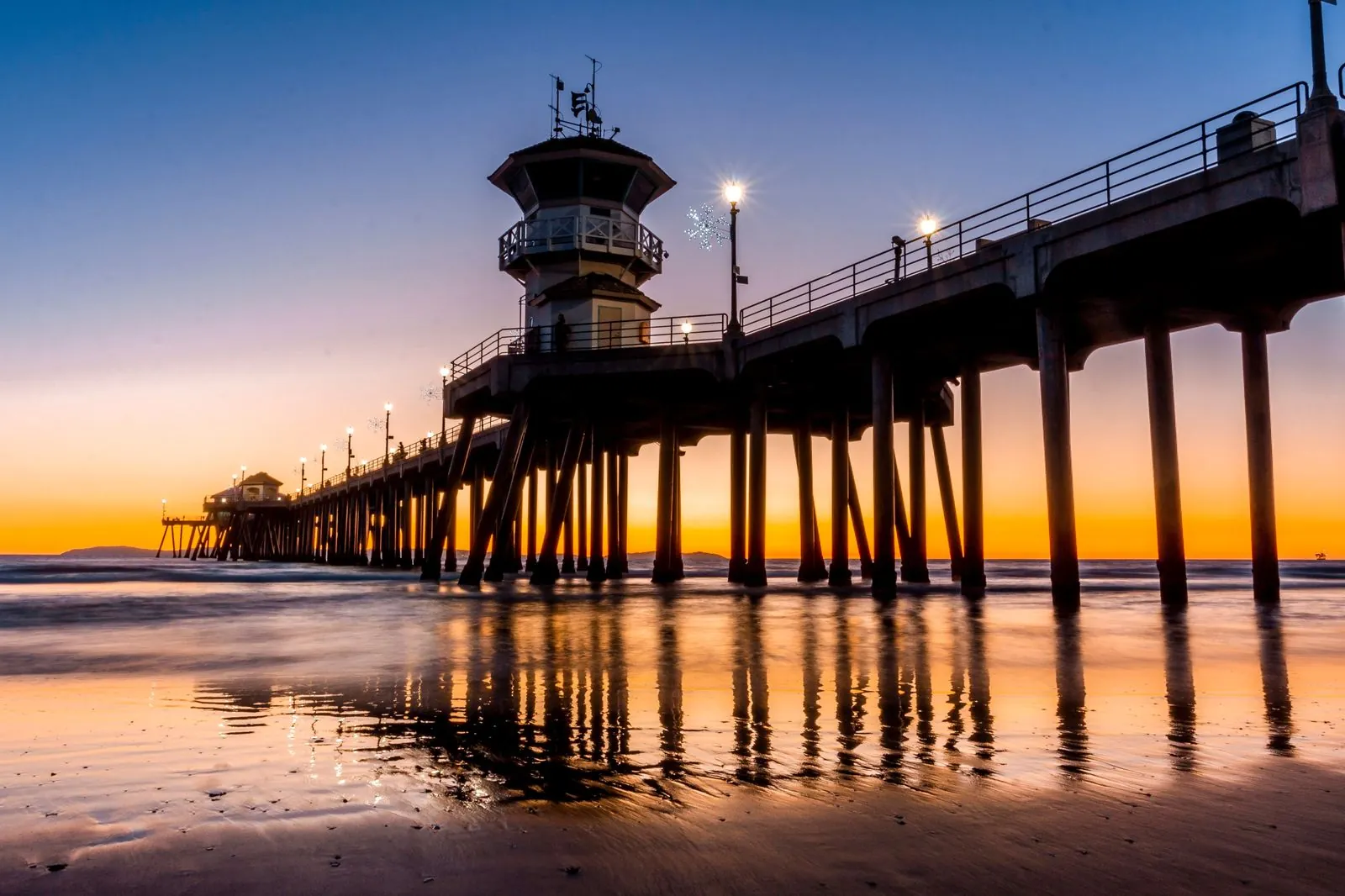
The mechanism that delivers one to Huntington Beach is the cooling that follows the warmth. As ocean water cools through fall and winter, the museum says, the snakes stop eating and grow lethargic, and lunar tides, storm surges and strong onshore winds push them onto the sand. That is why the museum expects more of them in the coming days and months, and why it has turned the expectation into a public search, running from now through February under a name built from the two holiday tide weeks: the Fangsgiving and Hissmas Sea Snake and Sea Turtle Search.
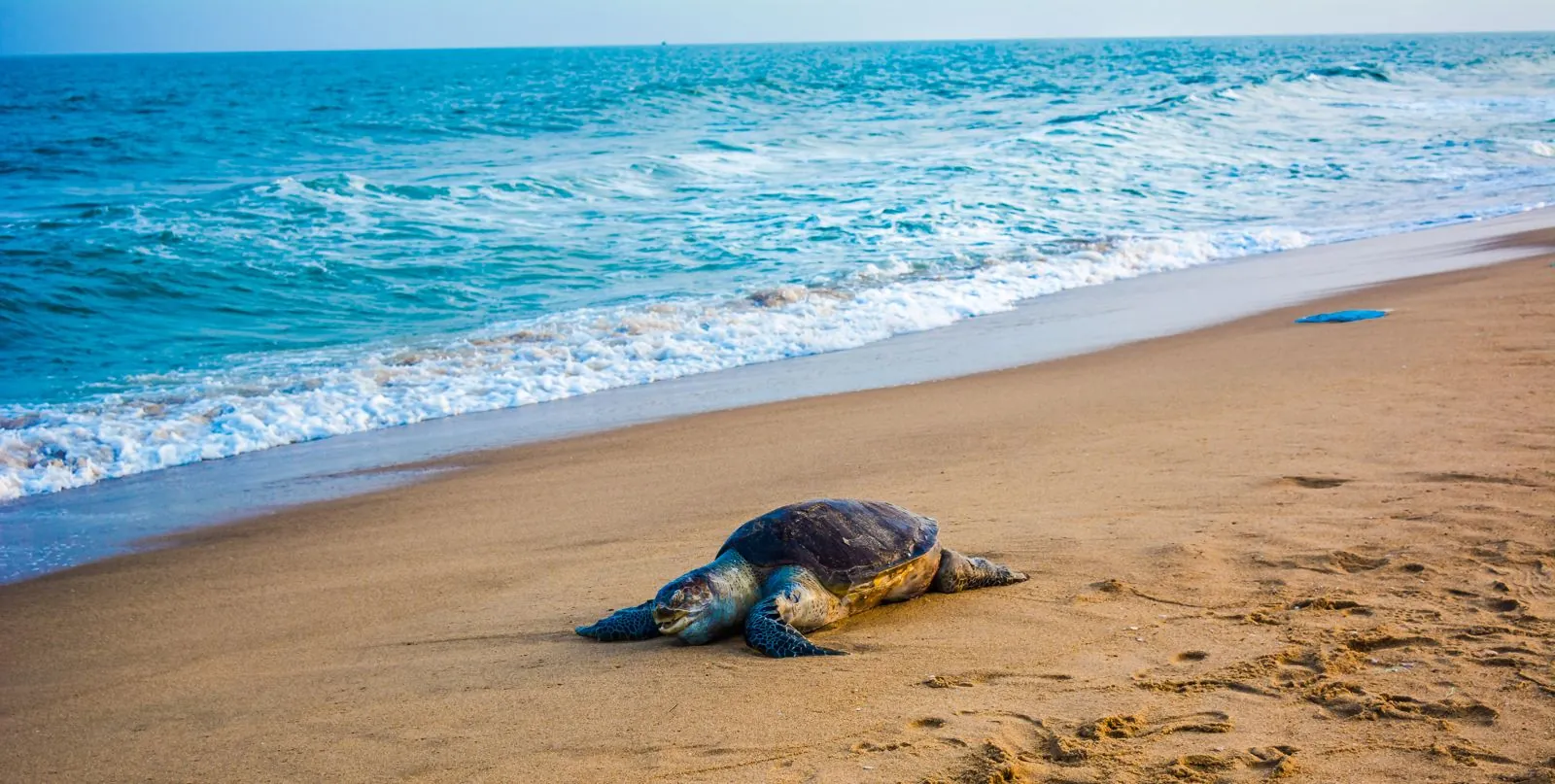
The turtles in that name are the season other surprise. At least four olive ridley sea turtle nests have been laid on Southern California beaches this year, the museum says, in a season that produced the first California nesting events it records: Seal Beach on Sept. 16, Huntington Beach on Sept. 19 and San Buenaventura State Beach in Ventura on Nov. 1. On Nov. 18 members of the public found several sea turtle eggs on a beach at Carpinteria, in Santa Barbara County. Staff from the Channel Islands Marine and Wildlife Institute found two eggs and a near term embryo there, a U.S. Fish and Wildlife Service survey on Nov. 20 found 11 decomposing eggs and another near term embryo, and when the Los Angeles museum examined the salvaged material, it judged some of the embryos to have been close to hatching at the moment the nest was exposed. The museum calls the Santa Barbara County nest the northernmost ever recorded, about 13 miles northwest of the Ventura nest, and says its discovery suggests the eggs of this species could complete their development on a California beach when a nest is laid early enough for the sand to stay warm.
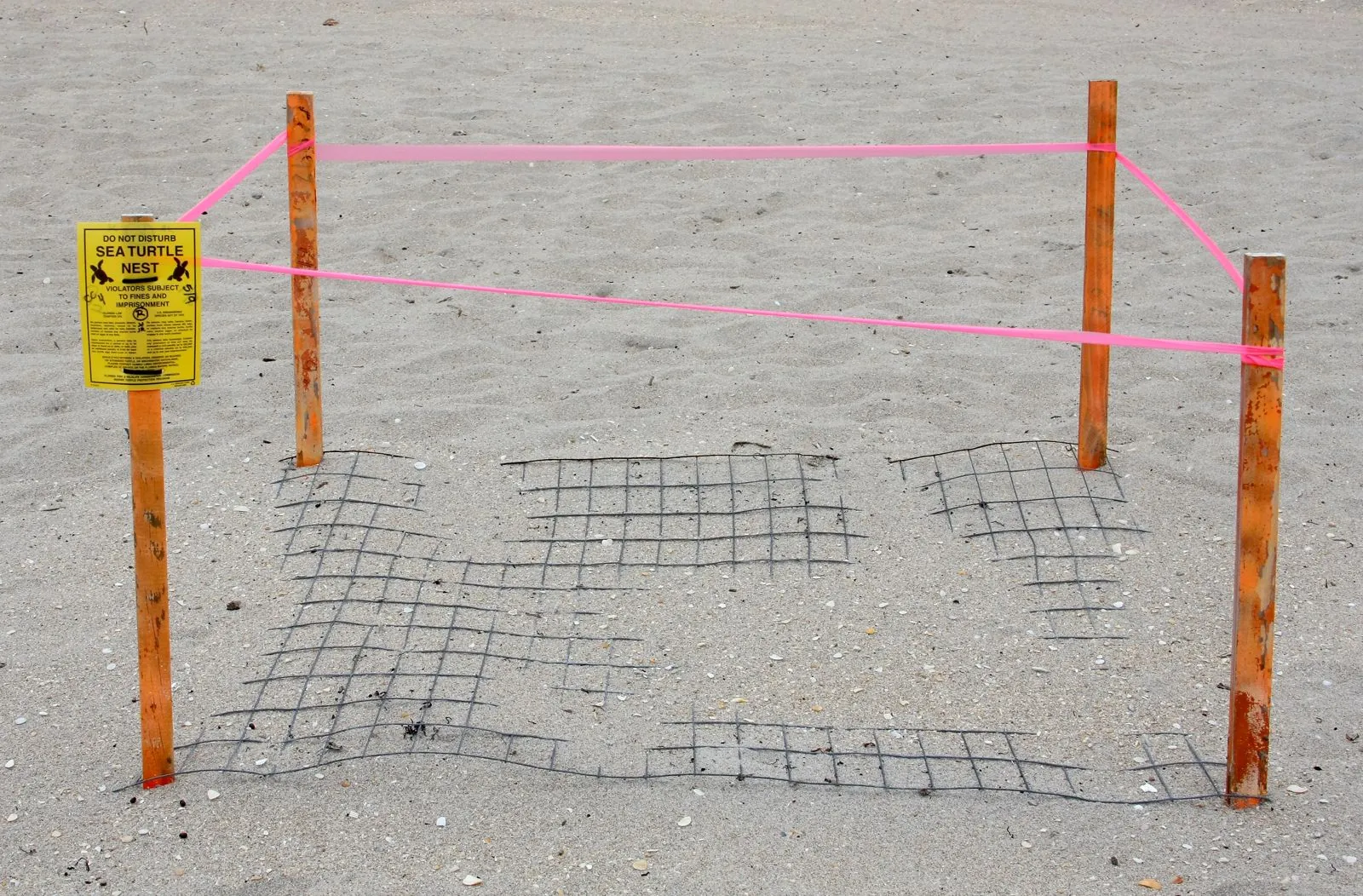
The search instructions are specific, and this weekend is one of the named windows. Turtle nests are most likely to be exposed by the king tides and by storm surge, so the best times run now through Nov. 29, again from Dec. 20 to 27, and after any storm surge, the museum says. For snakes the window is the whole season: every documented California sea snake was observed between Oct. 4 and Jan. 14, and the museum expects strandings to grow more common in December and January and possibly continue into February. Searchers should work the beach wrack, the line of debris the high water pushes up the sand, and the high tide line itself, on a receding tide at least an hour and a half after high tide, or at low tide. Past strandings give Bolsa Chica its own precedent: the museum lists the beach twice among past sea snake locations, in 2015 and in 2026, alongside Sunset Beach, Huntington Beach and Newport Beach.
Recognition matters more than enthusiasm. Every sea snake documented in California has been an adult, 1.5 to 2.5 feet long, with a yellow underside and a back that is dark to nearly black, the yellow narrowing into a wavy line toward a tail shaped like a fin. A turtle egg, in the museum description, is off white and roughly a ping pong ball in size and shape, wrapped in a shell that is thin, leathery and more yielding than the shell of a bird egg. The safety rules are absolute. These snakes are venomous and are not to be handled; one that appears recently dead may still be alive and able to bite. The museum asks finders to photograph the animal from a distance, ideally with a landmark such as a lifeguard tower in frame, to tell lifeguards, and to send the photographs to the museum. A stranded snake should not be put back in the water, which only tires it further; lifeguards can hold it in a bucket or tub with a little seawater until museum experts assess it. Nesting turtles and possible eggs go to lifeguards as well.
We correct errors promptly and note them here. Request a correction through our contact form.