Seal Beach Sea Turtle Eggs Hatch After 58 Days, While Huntington Beach Eggs Still Incubate
Hatchlings from the Seal Beach nest were released in the dark early hours of Saturday. The 100 eggs laid near the Huntington Beach Pier have not hatched in any announcement so far, and incubation continues.
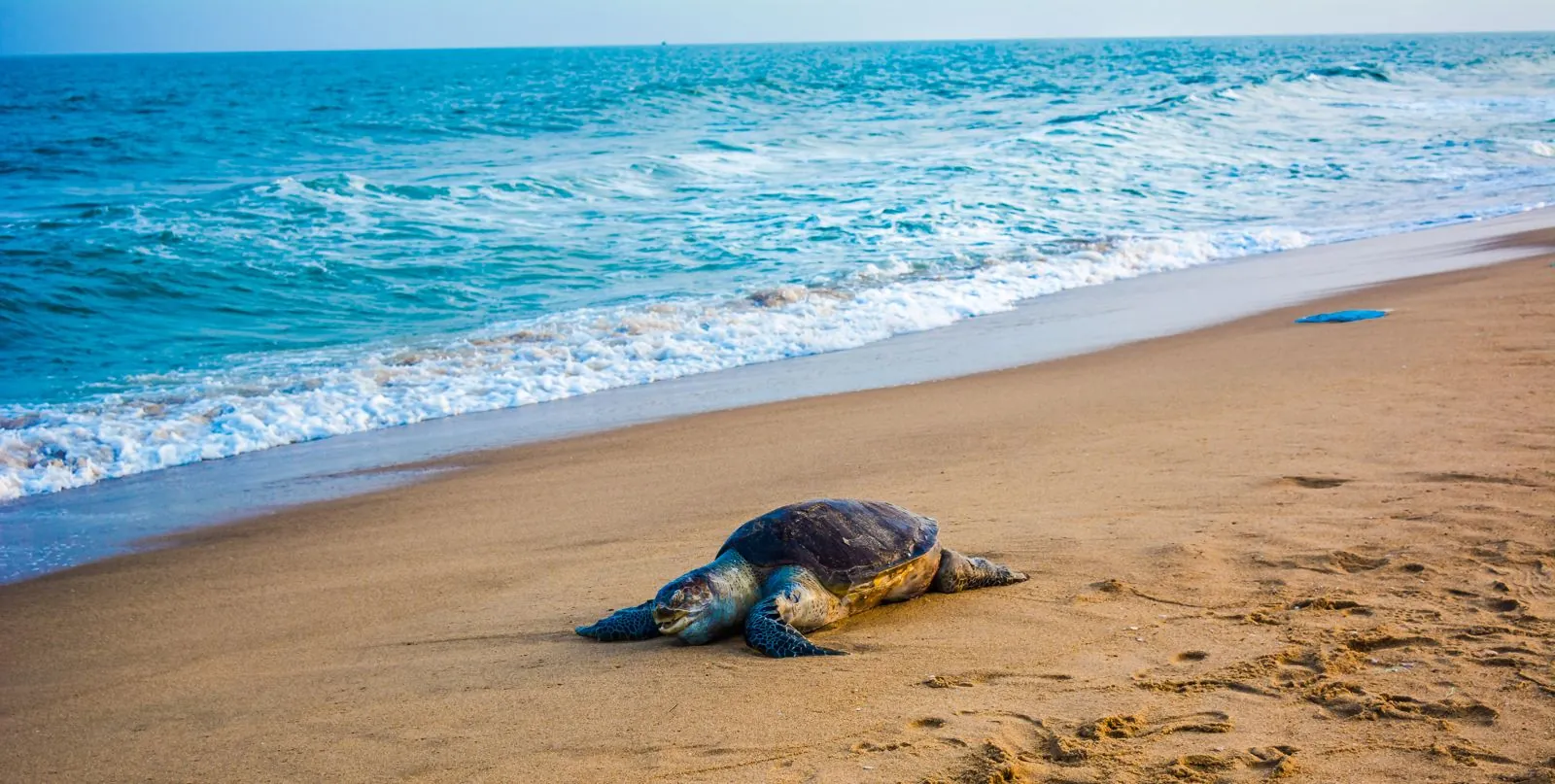
The wait for the first West Coast sea turtle hatchlings ended on Saturday, one beach north of Huntington Beach. The U.S. Fish and Wildlife Service announced on Saturday morning that some of the olive ridley eggs from Seal Beach had hatched after a 58-day incubation period, and that the hatchlings were released from the beach in the dark early hours of Saturday, in a spot chosen so that light, human disturbance and other distractions were minimal. The Ventura County Star, reporting the account the agencies gave of the release, puts the number released at dozens and describes it as the first release of sea turtle hatchlings on the West Coast.
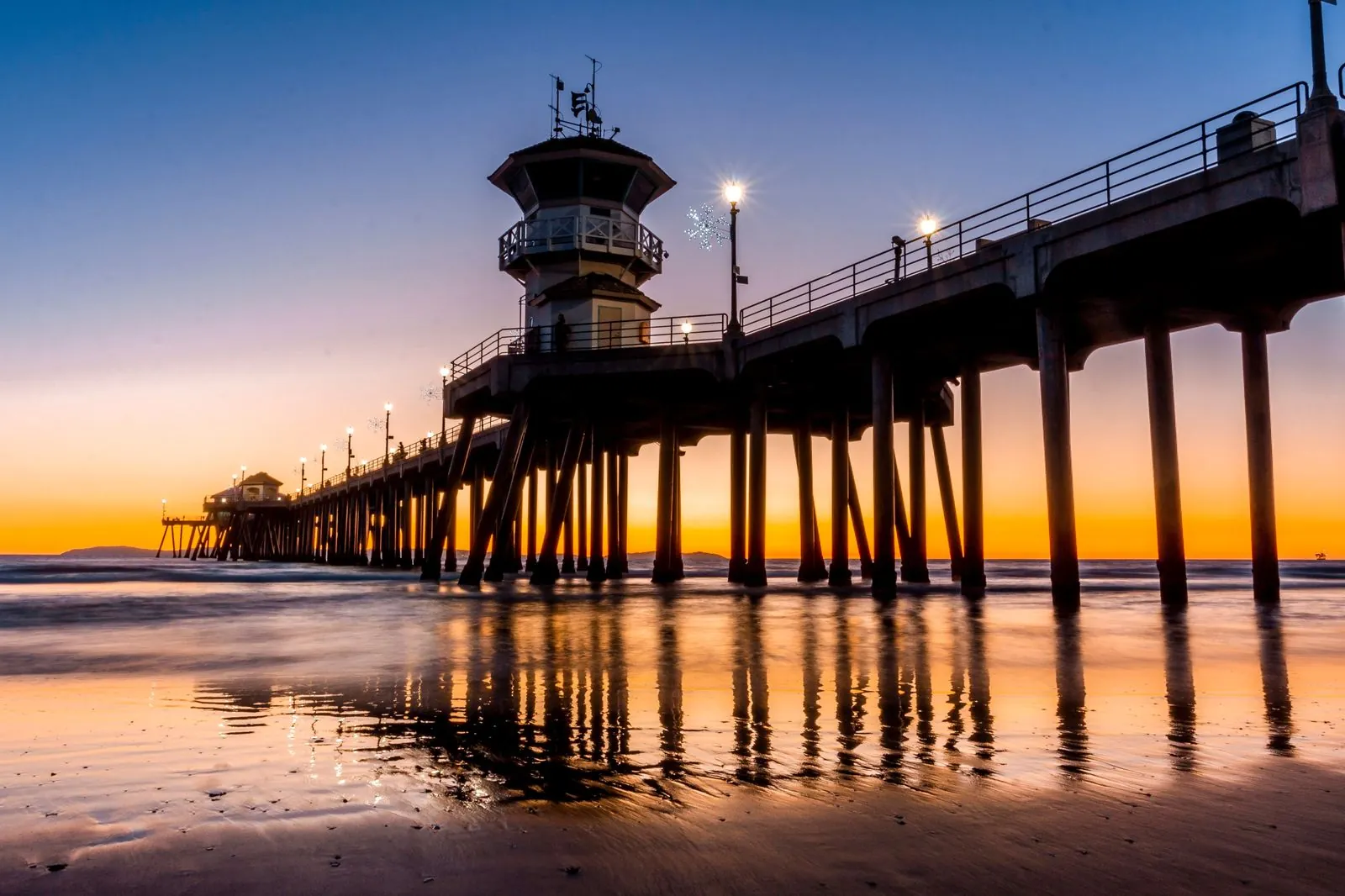
The Huntington Beach half of the story is still waiting. The same reports are explicit that the hatchlings released on Saturday came from the Seal Beach nest, and that the other eggs have not yet hatched and continue to be incubated. No announcement checked by this desk says that any of the 100 eggs laid near the Huntington Beach Pier has hatched. Those eggs were laid on Sept. 19, three days after the Seal Beach nest was found on Sept. 16, so their incubation clock started later, inside the same 45 to 60 day window the Fish and Wildlife Service gave in October, when it put the expected hatch at approximately mid-November if the eggs proved viable.
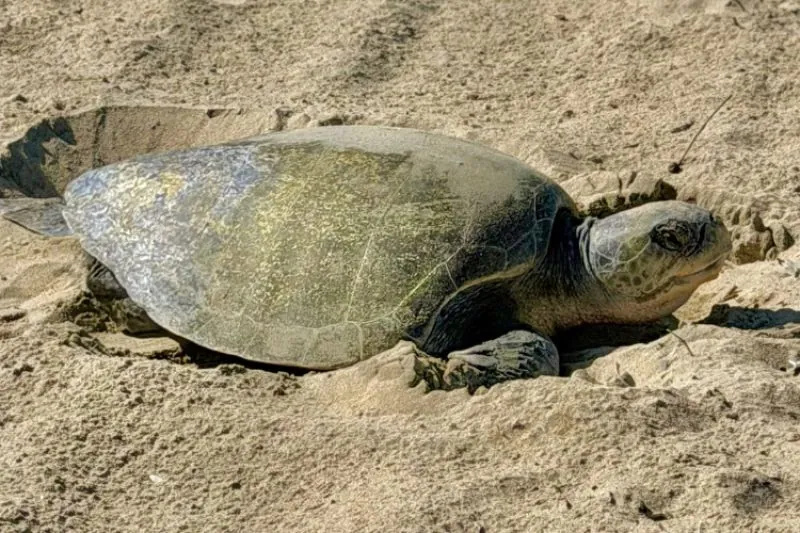
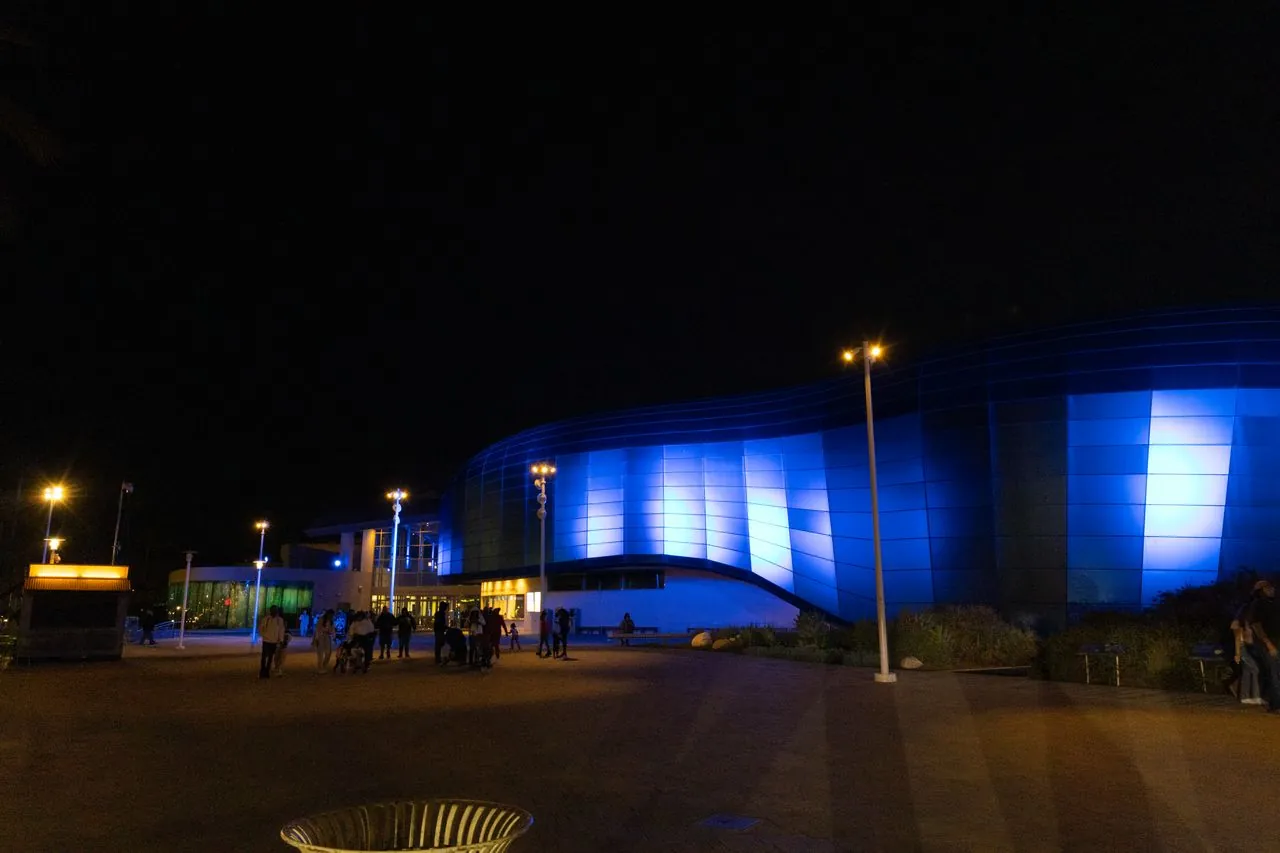
The two nests were a first. Federal officials say no sea turtle had ever been confirmed nesting naturally anywhere along the United States West Coast before these two, which were laid by two different olive ridleys, a species that typically nests farther south in Mexico. With hazardous surf and high tides approaching, biologists collected the eggs early on Sept. 25: 104 came out of the Seal Beach sand and 100 out of the Huntington Beach sand, and all of them went to Long Beach, where the Aquarium of the Pacific kept them in a temperature controlled setting through incubation. The response was coordinated by the Fish and Wildlife Service with NOAA Fisheries, the Aquarium, the Seal Beach Marine Safety Department, the Huntington Beach Fire Department and the California Department of Fish and Wildlife.
The Orange County nests were not the last of the season. A third olive ridley nest was found on Nov. 1 at San Buenaventura State Beach in Ventura, the first recorded natural nesting in that county. On Friday, Nov. 13, the Fish and Wildlife Service said that nest had been lost after high swell and tides exposed the site, and that its eggs were not believed to be viable. That outcome is the one the September move to Long Beach was meant to prevent in Orange County, where both nest areas later saw high surf and standing water after the storms. For Huntington Beach, the remaining question is narrow and still open: whether the Pier clutch, now inside its expected hatch window, produces hatchlings of its own in the coming days.
We correct errors promptly and note them here. Request a correction through our contact form.