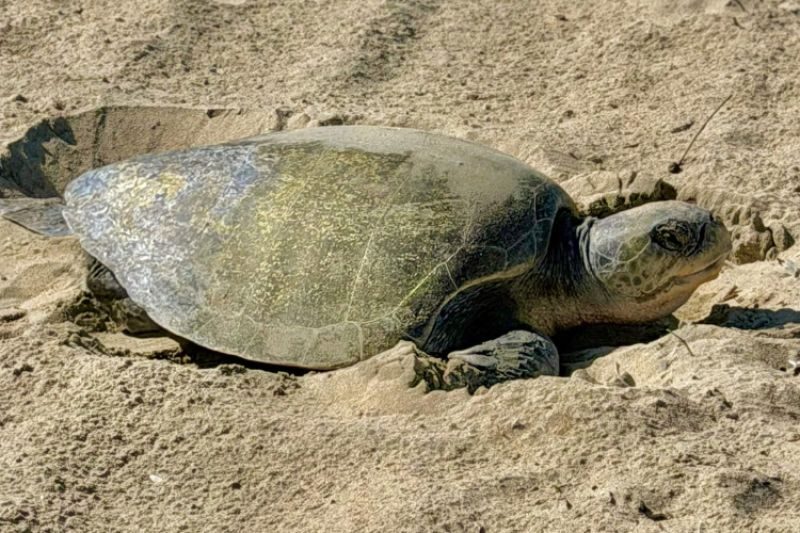
Bolsa Chica nesting survey counts 175 least tern and 110 plover nests
The June survey by the Bolsa Chica Land Trust points to a growing ecosystem for two protected shorebirds at the Huntington Beach reserve.
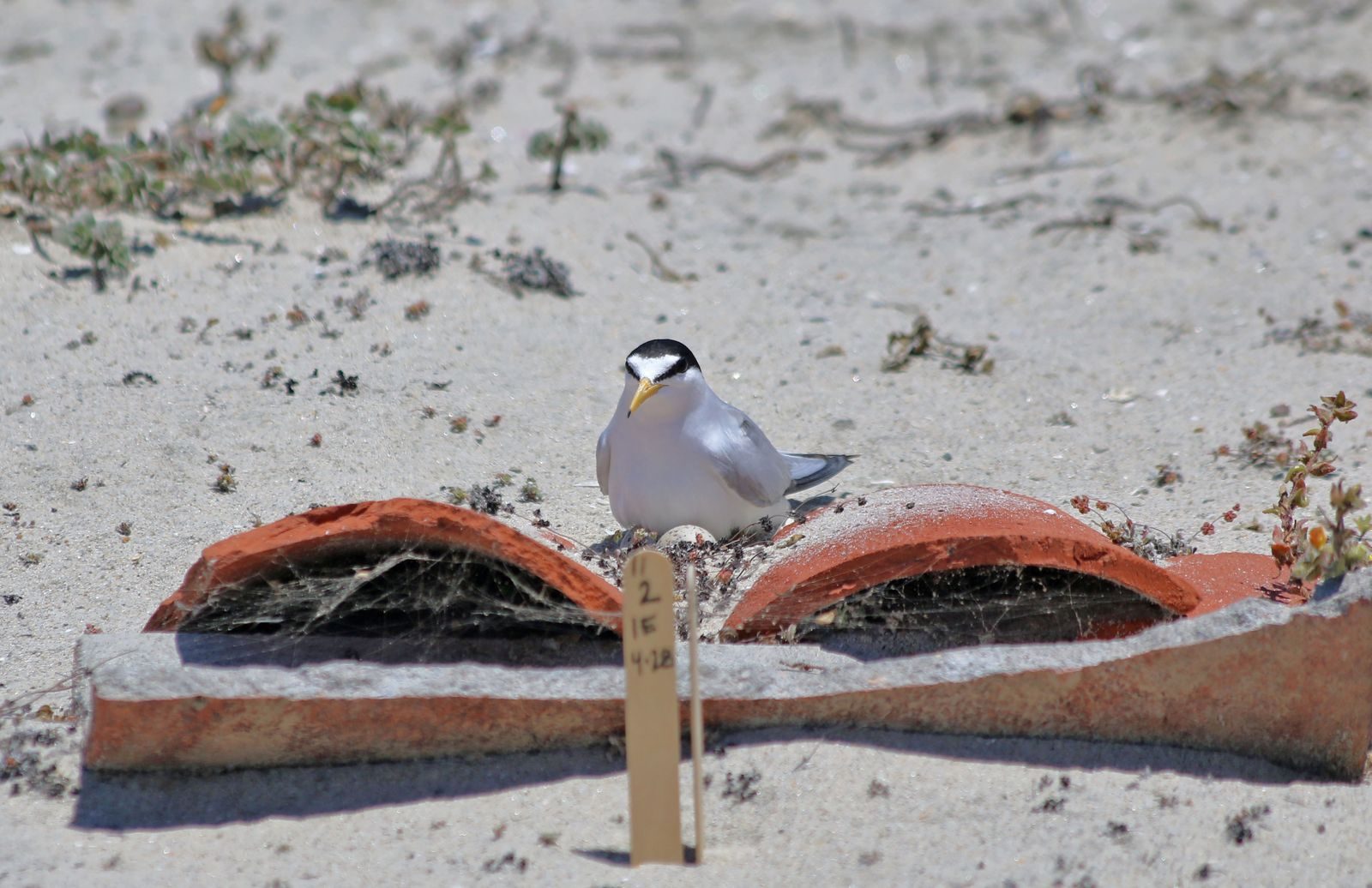
A nesting survey conducted this past June at the Bolsa Chica Ecological Reserve recorded 175 California Least Tern nests and 110 Western Snowy Plover nests, a result the Bolsa Chica Land Trust calls evidence of a growing, healthy ecosystem at the Huntington Beach wetlands.
The figures appear in the Land Trust's 2026 summer fundraiser letter, in which executive director Diane Rosencrance thanked supporters for shaping the reserve into what she described as a beautiful, peaceful refuge for nature and humans. The letter notes that more community members are connecting with the Land Trust to volunteer, learn and engage with Bolsa Chica than in past years.
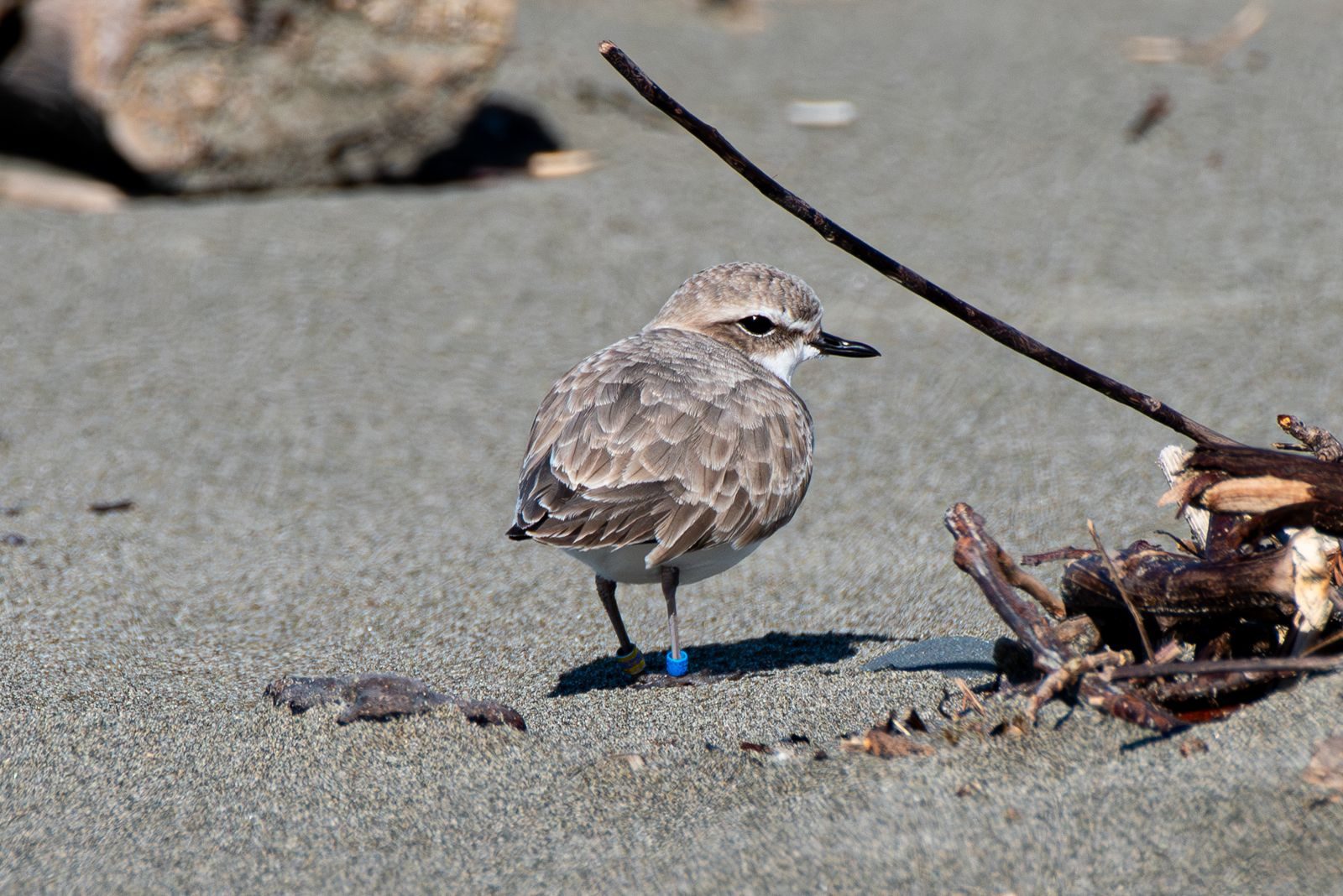
The California Least Tern and Western Snowy Plover are both protected species, and both rely on the kind of open, sandy habitat that the reserve's managed nesting sites provide. The Land Trust said its stewardship work is directly aimed at encouraging those threatened birds, plants and animals to flourish for future generations.
That stewardship continues into the fall. The Land Trust invited volunteers to help restore Nest Site 2, with restoration work there contributing to the growing populations of the least tern and snowy plover. The organization runs free tours, volunteer programs and education efforts at the reserve, which is also known as the Bolsa Chica Wetlands.
Donations to the Land Trust support restoring the biodiversity of the California grasslands and mesa with coastal sage scrub, growing the Miracles of the Marsh elementary school education program, developing a new youth education program, expanding events that connect the community with the reserve, and offering volunteer stewardship opportunities.

The Land Trust, formed in 1992 by volunteers determined to save the wetlands and mesa, now counts more than 5,000 members from throughout California and beyond. Its letter asks supporters to consider gifts of $100 or more, noting that every contribution has an impact on the reserve's future.
The volunteer work behind those numbers is hands-on. At Bolsa Chica, volunteers work with the California Department of Fish and Wildlife to clear nesting areas of invasive weeds such as White Sweet Clove, which allows the birds an easier time nesting. The California Least Tern's breeding season runs from April to September, and vegetation removal from the end of September through March gives the terns open ground to return to each spring.
Wildlife photography from the season is on display in the organization's Wings over Bolsa 2027 calendar, available with a $20 donation. Rosencrance said the next 50 years may bring more overdevelopment, wildfires and rising sea levels, and that the Land Trust is prepared to face those challenges with its supporters behind it.
We correct errors promptly and note them here. Request a correction through our contact form.