Fire Department Warns That Flood-Soaked EV and Lithium Batteries Can Ignite Weeks Later
After an October garage fire that began with an e-bike and spread to a Tesla parked beside it, the Huntington Beach Fire Department is asking residents to move electric vehicles and battery powered gear above flood levels before next week's high tides and to treat any water exposed battery as a fire risk.
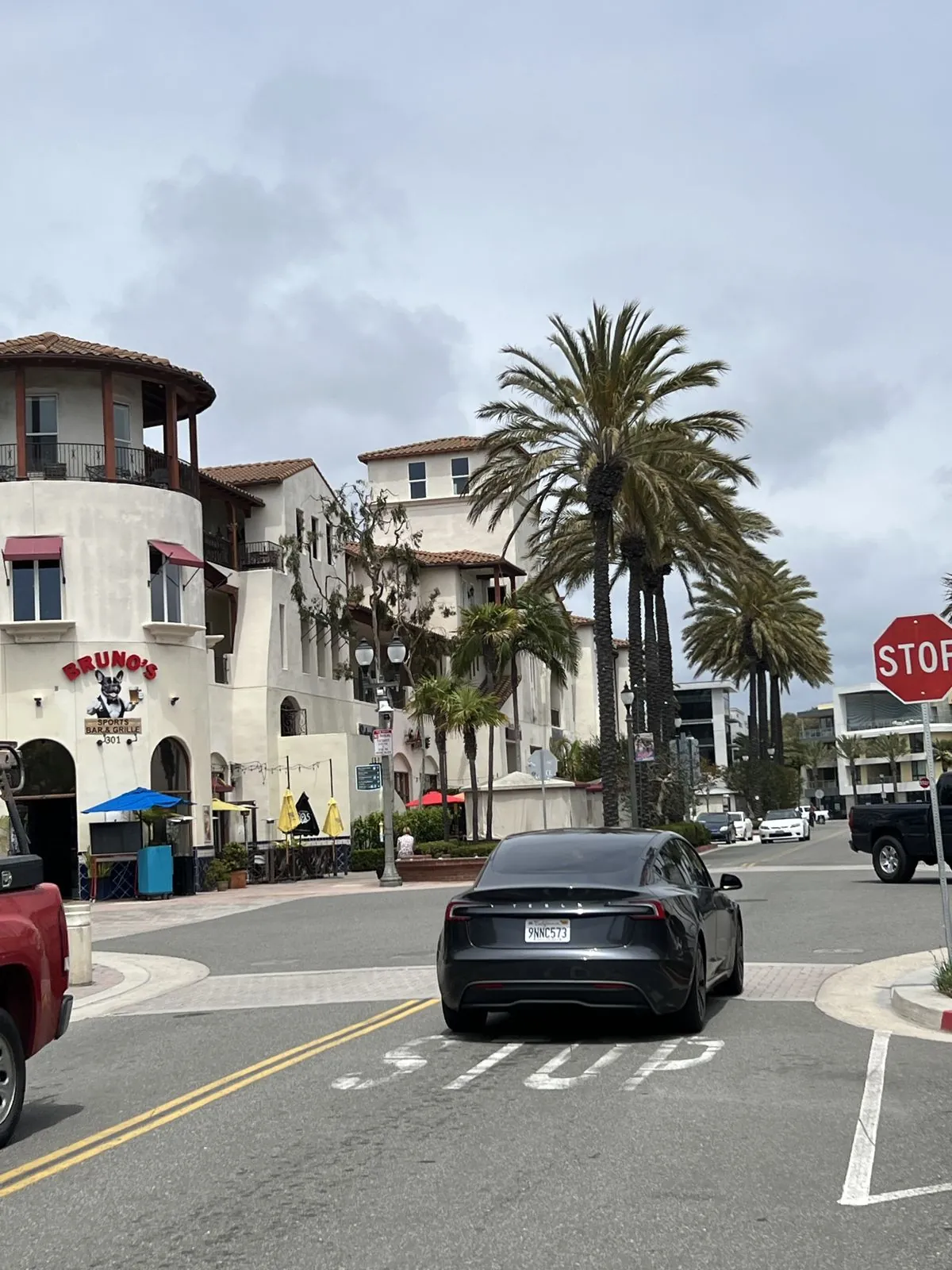
The Huntington Beach Fire Department is asking residents to think about batteries before next week's high tides arrive. In a warning posted on Thursday, Nov. 19, the department says electric vehicles and lithium-ion batteries that sit in floodwater, above all saltwater, can become a fire hazard, and that the danger can stay hidden long after the water is gone. The reminder follows the October high tides, when the department says it identified the hazards during its response.
The October case the department points to came on Oct. 28, when firefighters responded to a structure fire in which an e-bike caught fire and the flames spread to the outside of a Tesla parked beside it in a garage. The department account of the mechanism runs like this: saltwater can damage a battery inside and short its internal circuits, and the fire can come long after the soaking. A battery that looks dry, sits unplugged and stays switched off can still overheat and ignite, whether the gap is a few hours or stretches into months. Such batteries can give off toxic smoke, ignite without warning and flare up again after a fire seems to be out.

The warning reaches most of the battery powered gear in a house or garage: phones and tablets, laptops and power tools, and the larger machines as well, from golf carts and electric cars to e-bikes and scooters. The department asks residents to keep batteries and battery powered equipment in a dry place above the level floodwater can reach, following the maker storage guidance. A device that has been in floodwater should not be switched on, plugged in or charged, a damaged battery should not be dried, opened or repaired, and a flooded electric vehicle should not be driven. Water exposed batteries belong outdoors, away from people and buildings, and out of homes, garages and vehicles; an item that is cool and safe to handle can be moved outside, but a battery that is hot, swollen, leaking, smoking or making odd noises should not be handled at all.
The warning signs the department lists are swelling, a cracked case, strange chemical smells, unusual heat, leaking fluid, hissing, popping and smoke. Anyone who sees them should move away, clear the area and call 911. Damaged batteries never go in household trash or recycling, and they should not be transported; the city directs residents to Orange County Household Hazardous Waste for disposal guidance, and its post-storm battery page points to the county landfill hazardous waste information. Fire Chief Eric McCoy's point, as the department puts it, is that the risk does not announce itself: a battery can dry out and still carry internal damage that creates a fire risk, so residents should take the precautions, learn the signs and call emergency personnel if they think a battery is burning. Ahead of the tides, the department asks residents to move electric vehicles and battery powered gear above potential flood levels where they can, and it is direct about the last step: if a battery is smoking, sparking or burning, get out and call 911 rather than trying to fight the fire.

We correct errors promptly and note them here. Request a correction through our contact form.