Planning commission upholds approval of two Pecan Avenue ADUs
Commissioners denied Council Member Pat Burns' appeal of the zoning administrator's coastal development permit, citing state law limits.
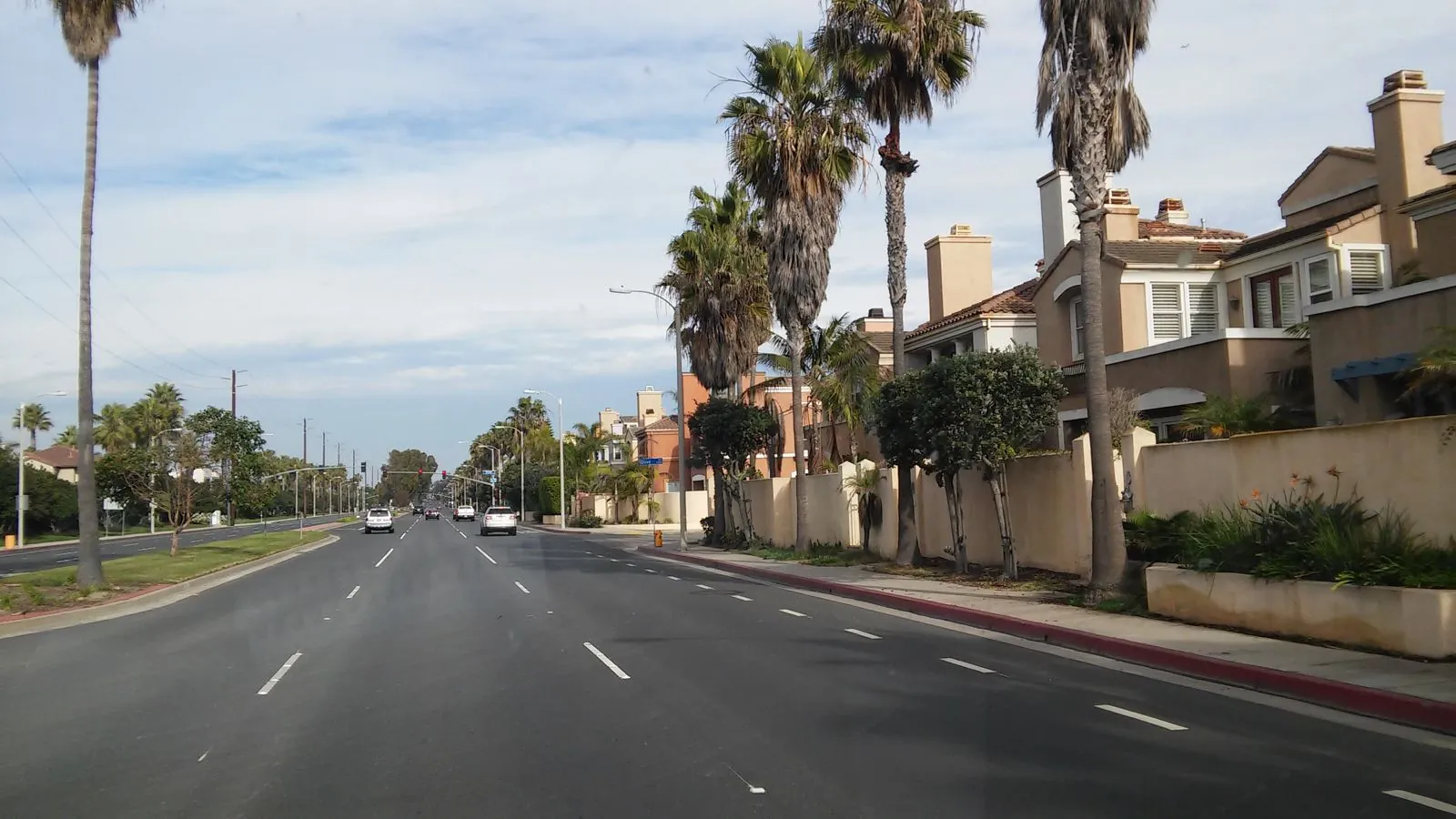
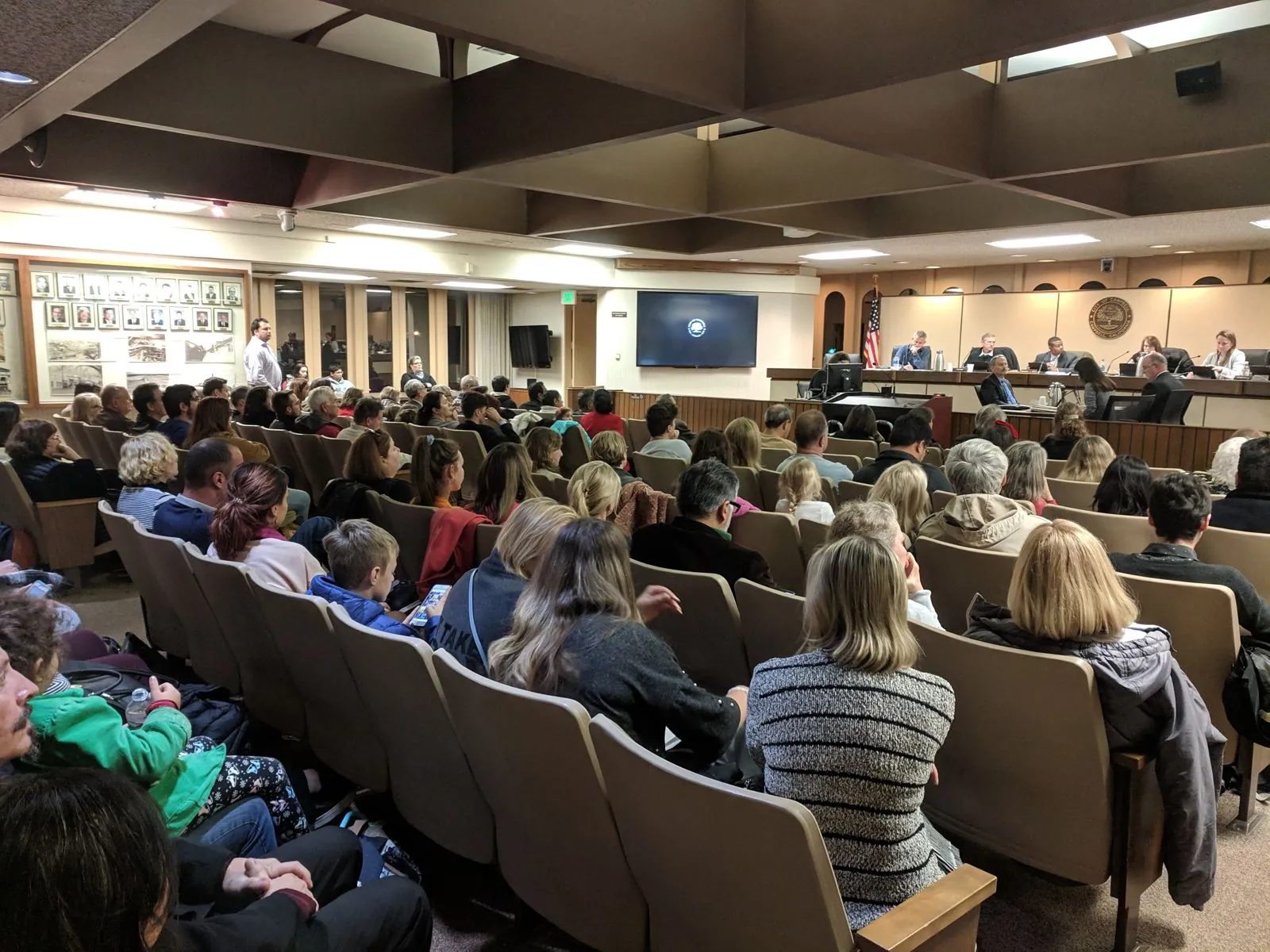
The Planning Commission turned away an appeal on Sept. 8 and left standing the zoning administrator's approval of Coastal Development Permit No. 26-006, covering two detached accessory dwelling units at 205 Pecan Avenue. The commission's decision can be taken to the City Council within ten working days.
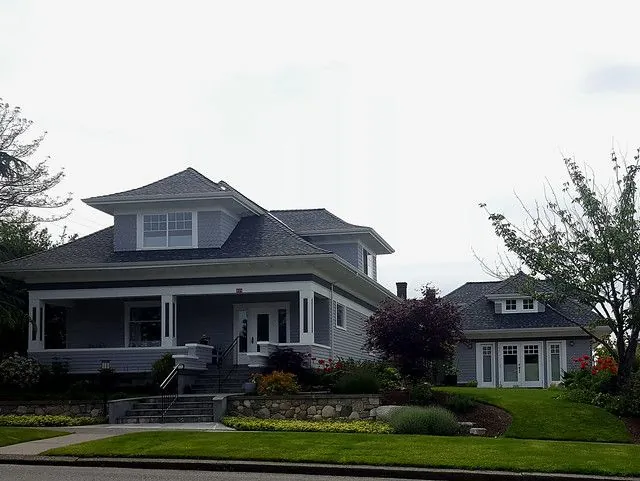
The appeal came from Council Member Pat Burns. The applicant of record is Marcus Kemmerer of 228 Crest Avenue, and the owner is UPOP, LLC of 6602 Cedarwood Drive. The site, at the northwest corner of Lake Street and Pecan Avenue, already holds a multi-family property. The two new units would be small, about 420 and 480 square feet, arranged over two stories reaching 18 feet.
Staff recommended that the commission find the project categorically exempt from the California Environmental Quality Act under Section 15303, Class 3, which covers new construction and conversion of small structures, and that it approve the permit on the suggested findings with conditions attached. The options in front of commissioners were to uphold the zoning administrator, with or without changes, to reject the findings, or to continue the item with directions to staff. The suggested findings record that the proposal meets the zoning and coastal standards applying to the site, and the staff analysis treated the original approval as the outcome state ADU law points to, since that law narrows sharply the grounds for refusing a qualifying scheme.
Much of the deliberation was about how little room the commission actually had. Members complained that state ADU statutes tie the city's hands on parking and other standards, and observed that a refusal of units the statutes protect would invite an appeal the city would probably lose, or a lawsuit. Staff explained that state law caps the parking a city can demand of qualifying ADUs and identified a transit stop nearby that brings an exemption into play. Against that, members worried aloud that parking exemptions of this kind add pressure downtown and bear on coastal access. The exchange rehearsed a familiar local argument: state housing law set in Sacramento against land-use control exercised in Huntington Beach.
Speaking for the project, the applicant and a long-standing city resident asked the commission to approve it. Their case was that the units are a substantial private investment, will house family members, and comply with state rules, including on parking, which the proposal leaves unmodified. Commissioners accepted that reading and denied the appeal.
We correct errors promptly and note them here. Request a correction through our contact form.